 (818) 914-4900
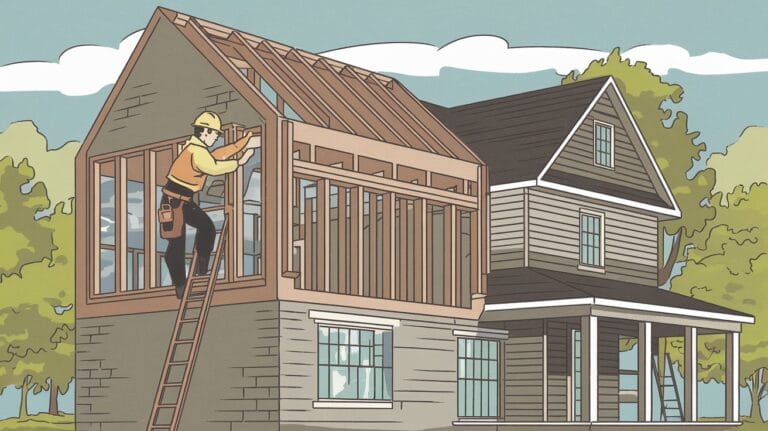
Planning a home addition in Los Angeles can feel overwhelming, especially if you are unsure where to start. Understanding home addition planning Los Angeles helps you stay organized, avoid delays, and manage your budget effectively.
Whether you’re adding a bedroom, office, or expanding your living space, working with a professional home addition contractor ensures your project starts on the right foundation.
In a city like Los Angeles, where permits, zoning laws, and inspections play a major role, having a clear timeline is essential. This guide walks you through every stage of the process so you can plan with confidence. Ready to begin your project? Now is the perfect time to get in touch and discuss your goals.
What Is Home Addition Planning?
Home addition planning is the process of organizing every step required to expand your home. It includes budgeting, design, contractor selection, permits, and construction scheduling.
In Los Angeles, this process requires extra attention because of local regulations and approval timelines. Planning ahead helps prevent costly mistakes and keeps your project moving forward smoothly.
Why Proper Planning Matters
A well-planned home addition saves time, reduces stress, and keeps your budget under control. Without proper planning, homeowners often face delays, unexpected costs, and compliance issues.
Good planning ensures that every phase from design to final inspection is aligned. It also helps you communicate clearly with contractors and avoid confusion during construction.
Step-by-Step Home Addition Planning Los Angeles Timeline
Step 1: Pre-Construction Planning (2–4 Weeks)
The first phase of home addition planning Los Angeles focuses on defining your goals and setting expectations. This is where you decide what you want to build and how much you are willing to invest.
During this stage, you will evaluate your current space, identify your needs, and establish a realistic budget. You may also begin researching contractors and gathering inspiration for your project.
Although this phase may seem simple, it is one of the most important steps. A clear vision helps guide the entire project and prevents unnecessary changes later.
Step 2: Design and Architectural Planning (3–6 Weeks)
Once your goals are clear, the next step is creating detailed designs. This includes floor plans, structural layouts, and material selections.
Working with experienced professionals ensures that your design meets Los Angeles building codes. At this stage, you will also refine your budget based on design choices.
This phase often involves revisions, as homeowners adjust plans to balance cost and functionality. Taking the time to finalize details now can save significant time during construction.
Step 3: Contractor Bidding and Selection (2–3 Weeks)
After completing the design, you will begin the contractor selection process. This involves requesting bids, comparing estimates, and reviewing past projects.
Companies like MY Home Builders provide detailed proposals that help homeowners understand costs, timelines, and project scope.
Choosing the right contractor is critical. It affects not only the quality of work but also the overall experience of your project. Clear communication and transparency should be top priorities during this stage. Want expert guidance? Don’t hesitate to get in touch and find the right team for your project.
Step 4: Permit Approval Process (4–8 Weeks)
The permit process is one of the most time-consuming parts of home addition planning Los Angeles. Local authorities review your plans to ensure compliance with zoning laws and safety regulations.
This phase may involve submitting documents, responding to feedback, and making adjustments to your design. Delays can occur if documentation is incomplete or does not meet requirements.
Working with experienced professionals can help streamline this process. They understand local regulations and can avoid common mistakes that cause delays.
Step 5: Construction Phase (2–6 Months)
Once permits are approved, construction begins. This phase includes several stages, each requiring careful coordination.
Key construction phases include:
- Site preparation and foundation work
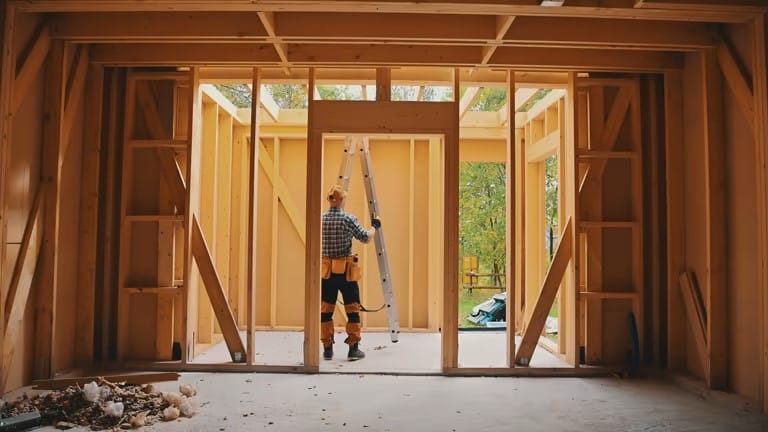
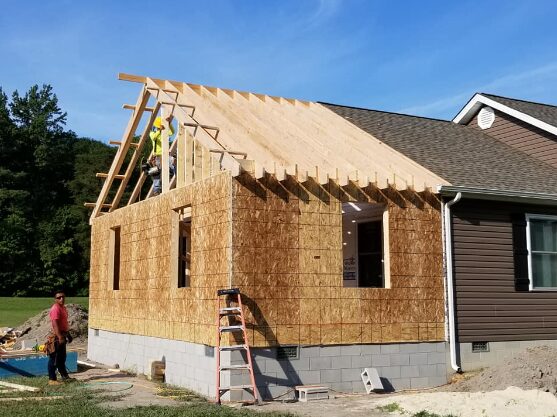
- Framing and structural development
- Electrical, plumbing, and HVAC installation
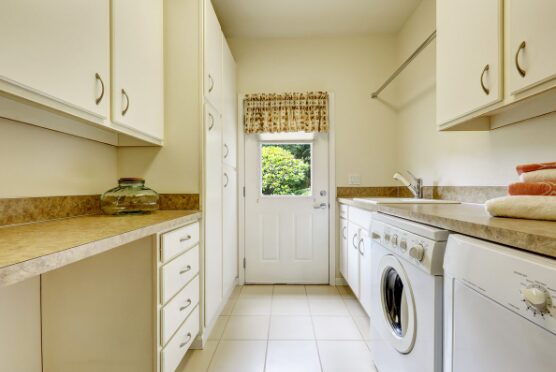
- Interior finishes such as drywall, flooring, and painting
Each phase builds on the previous one, so delays in one stage can impact the entire timeline. Regular communication with your contractor helps ensure everything stays on track.
Step 6: Inspections and Final Approval (1–3 Weeks)
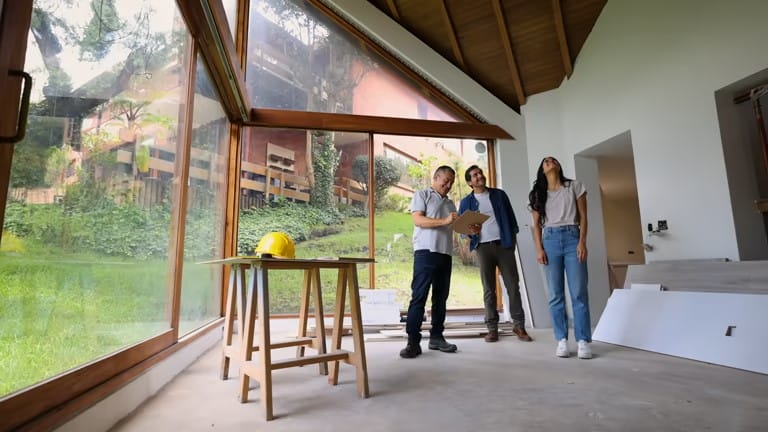
After construction is complete, inspections are conducted to ensure the work meets safety and building standards. Inspectors review structural elements, electrical systems, and overall compliance.
Once all inspections are passed, you receive final approval, and your new space is ready to use. This marks the completion of your home addition project.
Typical Timeline Overview
While every project is different, a typical home addition planning Los Angeles timeline looks like this:
- Pre-construction planning: 2–4 weeks
- Design phase: 3–6 weeks
- Contractor selection: 2–3 weeks
- Permit approval: 4–8 weeks
- Construction: 2–6 months
- Inspections: 1–3 weeks
Overall, most projects take between 3 to 9 months from start to finish.
Who Should Consider a Home Addition?
Home additions are ideal for homeowners who need more space but want to avoid moving. This includes growing families, remote workers, and homeowners looking to increase property value.
In Los Angeles, where real estate prices are high, expanding your existing home is often a more practical solution than buying a new one.
Common Mistakes to Avoid
One common mistake is underestimating the time required for permits. Many homeowners expect quick approvals, but delays are common in Los Angeles.
Another issue is failing to set a realistic budget. Unexpected costs can arise if plans are not detailed enough.
Poor contractor selection can also lead to problems. Choosing based solely on price may result in lower quality work or communication issues.
Finally, skipping proper planning can create confusion during construction, leading to delays and added expenses.
Home Addition Planning in Los Angeles
Los Angeles presents unique challenges for homeowners planning additions. From strict zoning laws to detailed inspections, every step requires careful attention.
If you are searching for services “near me” or exploring options across the city, understanding home addition planning Los Angeles helps you make informed decisions.
Local expertise is especially important in this market. Working with professionals who understand Los Angeles regulations can save time and reduce stress throughout your project. Ready to start your home addition? Get in touch today and take the first step toward expanding your space.
Conclusion
Successful home addition planning Los Angeles requires careful preparation, clear timelines, and the right team. From pre-construction planning to final inspections, each step plays a crucial role in achieving a smooth and efficient project.
By understanding the process and avoiding common mistakes, you can save time, reduce stress, and stay within budget.
Frequently Asked Questions
1. How long does home addition planning take in Los Angeles?
The planning phase typically takes 1 to 3 months, depending on design complexity and permit approvals.
2. Do I need permits for a home addition?
Yes, permits are required in Los Angeles to ensure your project meets safety and zoning regulations.
3. Can I live in my home during construction?
In most cases, yes. However, it depends on the size and scope of the project.
4. How do I choose the right contractor?
Look for experience, clear communication, and detailed proposals. Avoid choosing based only on price.
5. What is the most time-consuming part of the process?
Permit approval is often the longest phase due to strict regulations and review processes.